Your Biggest Cybersecurity Risk Might Be Inside the House
When business leaders think about cybersecurity, they often imagine threats coming from overseas or outside their walls. In reality, some of the most costly breaches begin much closer to home.
Employees, contractors, partners, vendors, and even executives can create serious risk through careless mistakes or deliberate misuse. By learning how insider threats work, spotting early warning signs, and responding quickly, you can prevent a minor issue from turning into a major security incident.
The 6 types of insider threats
Insider threats can take many forms, and each one can damage your business in a different way:
1. Data theft
Data theft happens when someone inside your organization copies, downloads, or leaks sensitive information for personal benefit or harmful intent. It also includes physically taking company devices that hold confidential data.
2. Sabotage
Sabotage occurs when a frustrated employee, activist, or competitor intentionally disrupts operations by deleting files, infecting systems, or locking teams out of critical tools.
3. Unauthorized access
Unauthorized access happens when a person views or collects information they are not permitted to see. Sometimes the action is intentional; other times, employees simply do not realize they lack a valid business reason to access certain data.
4. Negligence and error
Not every insider threat is malicious. A missed step, careless handling of data, or ignored security policy can expose your business just as quickly as an attack.
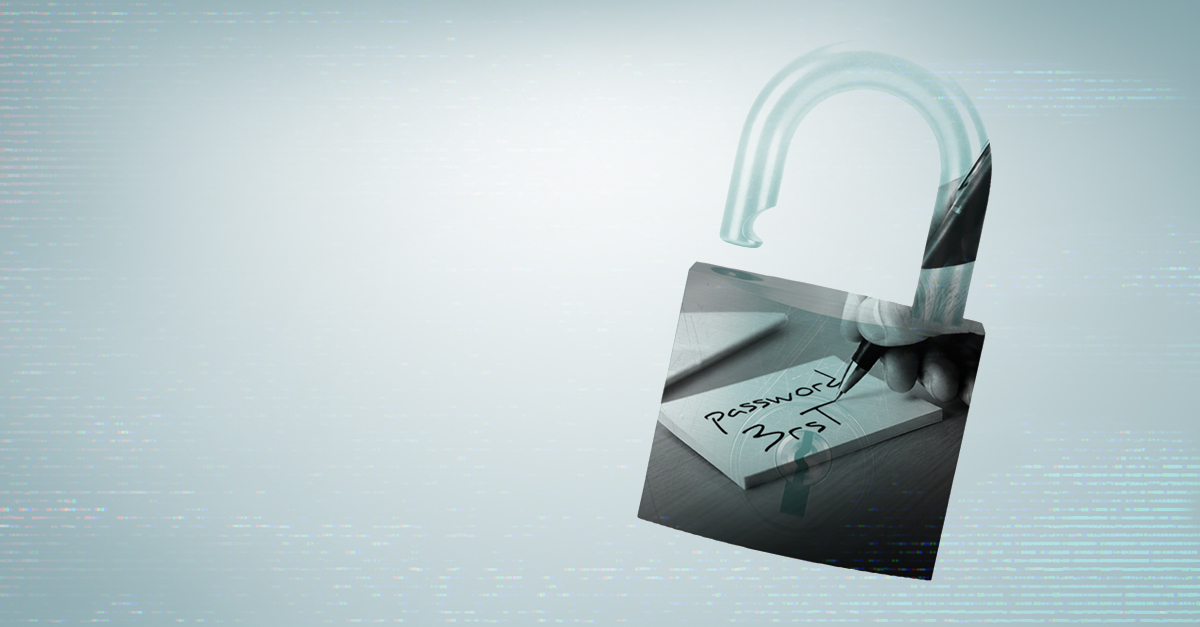
5. Credential sharing
Sharing passwords is like giving away the keys to your office and hoping they come back untouched. Once credentials are shared, you lose control over who can access your systems and what they may do with that access.
6. Unauthorized AI use
When employees use unapproved AI tools, they may unintentionally reveal sensitive company or customer information to public platforms.
How to recognize the warning signs
Early detection is one of the best ways to limit insider threat damage. Make sure your team knows how to identify these red flags:
- Unusual access patterns: An employee suddenly starts viewing confidential information that has nothing to do with their role.
- Large data transfers: Someone begins downloading unusual amounts of customer records or moving files to external devices.
- Repeated access requests: A team member keeps asking for permission to view sensitive data they do not need for their job.
- Unapproved devices: Confidential business data is being accessed from personal laptops or other unauthorized hardware.
- Disabled security tools: Antivirus software, firewall settings, or other protections are turned off without approval.
- Unapproved AI platforms: Employees are entering or sharing sensitive information with public AI tools that have not been reviewed by your business.
- Noticeable behavior shifts: An employee becomes secretive, misses deadlines, or shows signs of unusual stress.
One warning sign may not confirm a problem, but repeated patterns are worth attention. The sooner you notice them, the faster you can act.
Strengthen your internal defenses
Use these five steps to build a stronger cybersecurity foundation and better protect your organization from the inside out:
- Create a strict password policy and require multi-factor authentication (MFA) whenever possible.
- Limit access so employees can only use the data and systems they need, then review permissions on a regular basis.
- Train employees on insider threats, security best practices, and the safe use of AI tools.
- Back up critical data consistently so your business can recover faster after a loss or breach.
- Build a clear incident response plan that explains how your team should handle insider threat events and how AI tools and sensitive data should be used.
Get help protecting your business
Trying to manage insider threats on your own can feel overwhelming, especially when your team is already stretched thin.
That is where the right IT partner makes a difference. We help businesses put the security controls, monitoring systems, and response plans in place to reduce internal risk and improve resilience. Whether you need a stronger foundation or want to improve your current setup, we are ready to help.
Ready to take the next step? Click here or give us a call at 816-256-2595 to schedule your free 15-Minute Discovery Call.